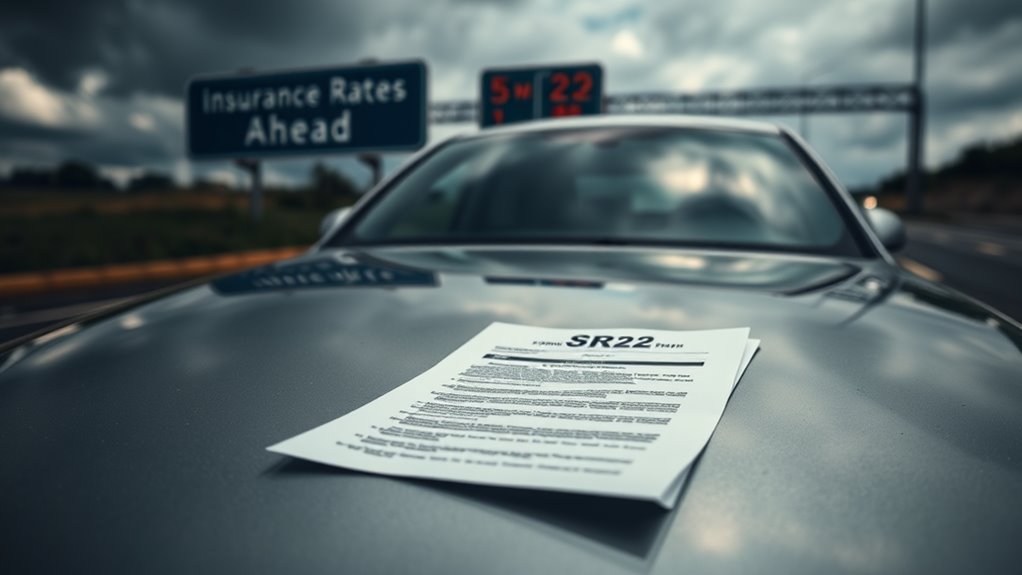
You might think that filing an SR22 won't notably impact your insurance costs, but that's a common misconception. In reality, insurers view SR22 as a red flag, often leading to premium increases of 20% to 60%. This perception of higher risk can be particularly detrimental if you have a history of violations or reside in a high-risk area. Understanding the long-term financial implications is essential, as the effects can extend far beyond the initial filing fee.
When you're required to file an SR22, it can greatly impact your car insurance costs, often leading to higher premiums. This form acts as a certificate proving that you meet your state's minimum liability insurance requirements. However, the implications of this requirement extend far beyond just the paperwork. The SR22 is typically linked to serious driving offenses such as DUIs or multiple traffic citations, which inherently increase the perceived risk associated with insuring you. As a result, you might experience premium increases ranging from 20% to 60%, depending on the severity of the offense.
The initial SR22 filing fee, usually between $25 and $100, is a one-time cost paid to the state for processing. While this fee is relatively minor compared to the potential rise in insurance premiums, it underscores the administrative burdens placed on high-risk drivers. The nature of the offense triggering the SR22 requirement plays an essential role in determining how much your premiums will rise. For instance, a DUI is likely to result in a steeper increase than a mere speeding violation, reflecting the greater risk insurers perceive.
Your driving record is another significant factor that insurance companies consider. If you've maintained a clean record prior to the SR22, that could help mitigate some of the premium increases. Conversely, if you have a history of violations, you may find it even more challenging to secure affordable coverage. Additionally, younger drivers and those living in high-risk areas often face particularly steep premiums due to their demographic profiles, further complicating the situation. Maintaining good driving habits during the SR22 period can help lower future insurance costs.
It's essential to recognize that not all insurance companies assess SR22-related risks equally. Different insurers have varying levels of risk tolerance, which means that shopping around for quotes can yield considerably different results. Some companies specialize in high-risk drivers and may offer more competitive rates for those in need of an SR22. If you're currently insured, maintaining your relationship with your provider could also prove beneficial; your history with them might lead to better pricing options.
While understanding the SR22 requirements is essential, you should also be aware of the importance of continuous coverage during the SR22 period. Any lapse in coverage could result in notifications to state authorities, potentially leading to further complications, including license suspension. Each state has its own regulations regarding how long you must maintain SR22 coverage, so knowing the specifics for your location is crucial.
Conclusion
To sum up, filing an SR22 can lead to a significant hike in your car insurance premiums, often increasing costs by 20% to 60%. This spike reflects insurers' assessment of heightened risk associated with SR22 filings. Notably, a study found that individuals with SR22 requirements are 25% more likely to switch insurers within the first year, highlighting the impact of these filings not just on costs but also on consumer behavior. It's essential to understand these implications as you navigate your insurance options.